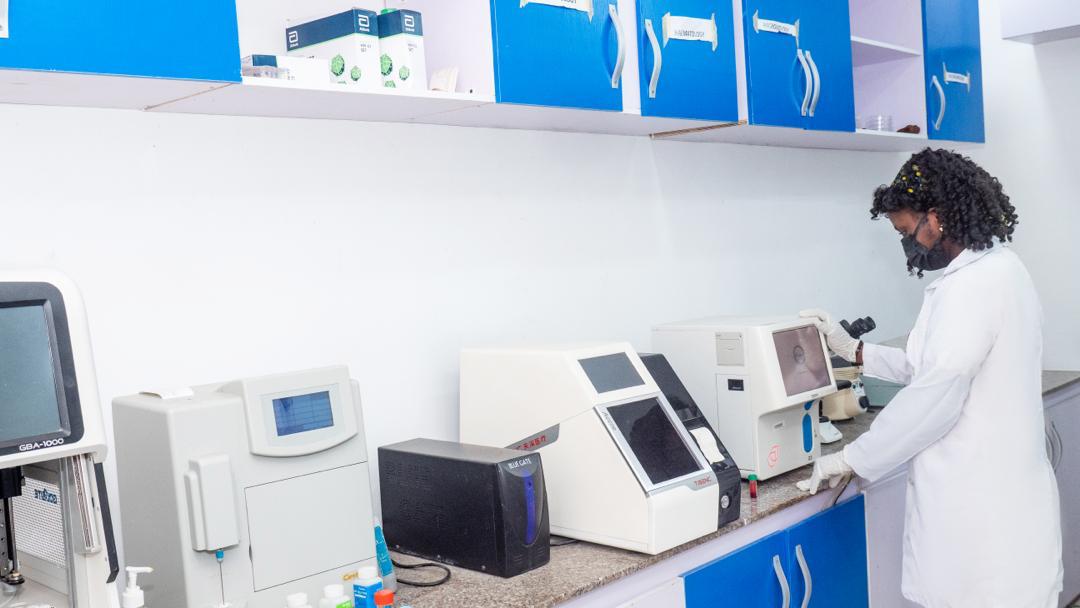
Diagnostic blood testing is one of the most vital instruments in modern clinical medicine. Whether you undergo a routine annual checkup or visit a hospital with unexplained fatigue, fever, or weakness, a Full Blood Count (FBC) is frequently the first investigation ordered by your doctor.
What Is a Full Blood Count (FBC)?
A Full Blood Count evaluates the cellular components of your blood. It provides key analytical measurements across three major blood cell lineages produced in the bone marrow:
- Red Blood Cells (Erythrocytes): Responsible for transporting oxygen from your lungs to tissues throughout your body.
- White Blood Cells (Leukocytes): The primary defense system protecting your body against bacterial, viral, and parasitic infections.
- Platelets (Thrombocytes): Small cell fragments essential for normal blood clotting and tissue repair.
Key Parameters Included in Your Blood Test Report
When you receive your laboratory results sheet, you will notice several abbreviations:
1. Hemoglobin (Hb) & Packed Cell Volume (PCV)
Hemoglobin is the iron-rich protein in red blood cells that carries oxygen. Low hemoglobin levels indicate anemia, which can cause symptoms such as fatigue, dizziness, or shortness of breath.
2. White Blood Cell Count (WBC) & Differential
An elevated white blood cell count typically suggests an active immune response to an infection or inflammation. The differential breakdown measures specific types of white cells:
- Neutrophils: Commonly elevated during acute bacterial infections.
- Lymphocytes: Elevated during viral immune responses.
- Eosinophils: Associated with allergic reactions or parasitic infections.
3. Platelet Count
Normal platelet levels range between 150,000 and 450,000 cells per microliter. Low platelets (thrombocytopenia) can increase bleeding tendencies, whereas high platelets can signal inflammation.
Why Regular Pathology Testing Matters
Many metabolic, hematological, and infectious conditions develop silently without overt physical symptoms. Early detection through routine laboratory screenings allows medical consultants to institute prompt therapeutic interventions before complications occur.

Dr Ogonanya Ndupu
Over 15 years of clinical and pathology leadership experience dedicated to high standards of medical care, patient safety, and accurate diagnostic testing in Lagos.